
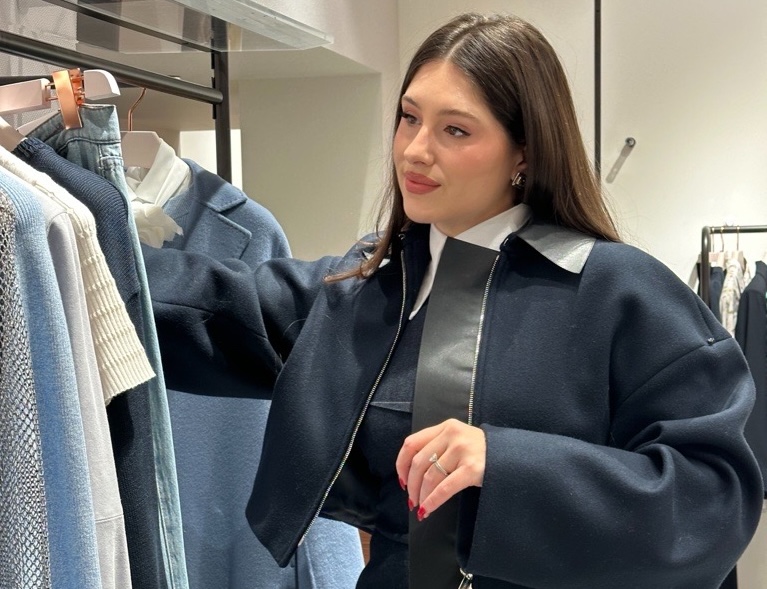
Luxury retail has always evolved alongside consumer behaviour, but the next shift is happening in real time.
As brands look for new ways to combine storytelling, product education, and e-commerce, live selling is emerging as a growing force within the industry. Part digital content, part personal shopping, and part entertainment, it is reshaping not only how customers experience luxury, but also what careers in retail can look like.
For Hattie Corriero, Vice President of Retail at a luxury womenswear brand, the shift is already changing how retail teams operate and think about selling. “I was actually first introduced to live selling by some third parties that actually come into our retail locations and do live selling on our behalf for their clients.”
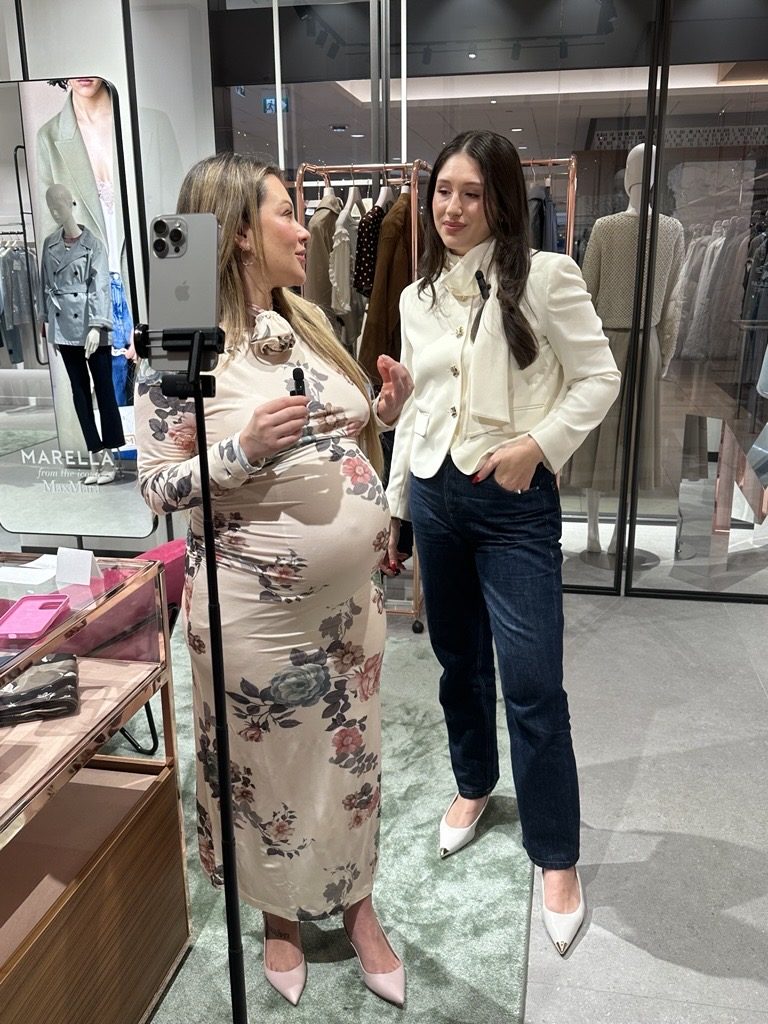
These third-party hosts work directly inside stores, blending in-person retail with digital broadcasting.
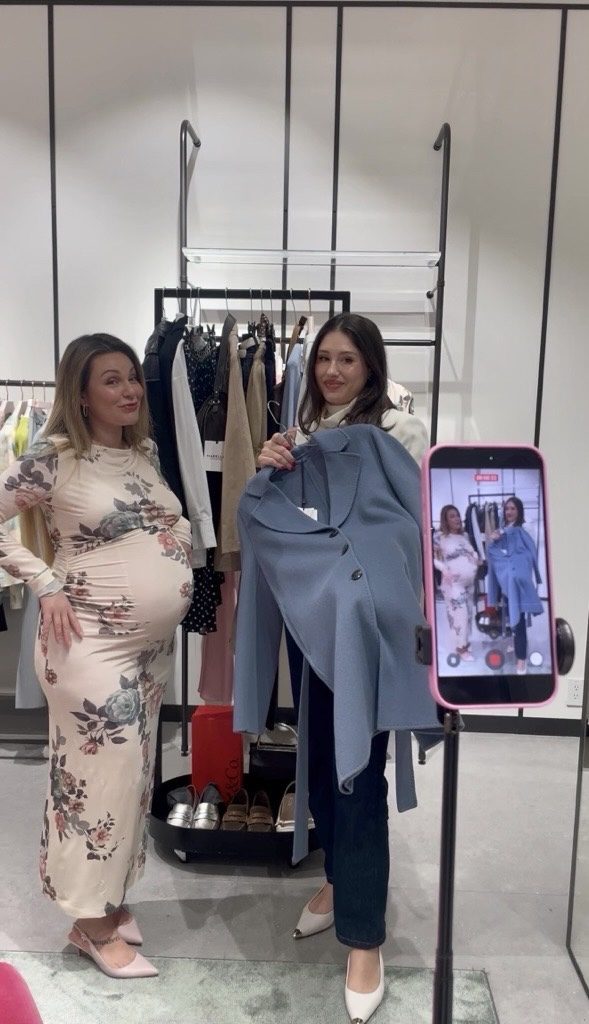
“They come into our stores, usually after hours, but you know, whenever it’s convenient, and they set up a little live stream station, and they sort of behave almost like a blend between a sales associate and an influencer,” she told Style Nine to Five.
“They have built a community and an audience online, and they go into physical retail locations and sell products for their clients.”
A New Layer of Retail Careers Is Emerging
Live selling is creating a hybrid space between retail, content creation, and digital sales, opening up new types of roles across the industry.
“I think that being able to sell live is going to become a skill and a talent and somewhat of a commodity in the new world of e-commerce.”
For those working in retail or looking to enter the industry, Corriero sees it as a natural extension of traditional sales roles.
“It could be an add on. It could be a resume builder. You could approach a brand as a live seller… and say, you know, I can sell in your bricks and mortar location, but I can also sell to a live stream audience.”
She adds that the skill is not automatic and requires training and confidence.
“You have to train and practice, and it takes a certain, a certain type of person, I’d say, to do it, someone with some confidence.”
At its core, the opportunity sits at the intersection of communication, product knowledge, and performance.
“If you have experience selling products, styling with clients, it could be any industry, selling cars, whatever it might be. If you have experience in those types of industries… I think you have what it takes.”
How Brands Are Building Live Selling Ecosystems
While still emerging in North America, live selling is already well established in Asia and is now expanding through structured platforms and brand collaborations.
“This is something that, this style of business has been really popular, especially in a lot of Asian countries, in China and Korea. This is a very, very big growing market, and we’re sort of almost being introduced to it here in North America.”
For brands, the format acts as both a sales tool and a marketing channel.
“It’s a way to create a touch point for your products as a retailer, even if you don’t have e-commerce, for example, or it’s a way to market your products to a client base in a way that’s more tangible and a little bit more engaging in a remote sense.”
Platforms like Approved to Shop are helping formalize this ecosystem by connecting hosts, creators, and brands.
“You can think of it almost like a brand working with an influencer,” she explains. “The hosts on Approved to Shop have their own followings and they have their own subscriber list.”
This structure also allows for more storytelling-led formats.
“It’s very much a collaboration… we can actually do sort of more of an interview style show, where we have these founders on and they’re able to speak to their brand with more expertise.”
Why Live Selling Is Gaining Momentum
Unlike traditional e-commerce, live selling is built on real-time interaction, which changes both the customer experience and the role of the seller.
“The biggest difference about live selling is the fact that it truly is live in the sense that you can engage back and forth. There’s a conversation and a dialog back and forth between the audience and the person presenting the product.”
That interaction helps bridge a key gap in online shopping.
“There’s a huge barrier on e-commerce to get past… this is a way to explain those things and to create trust and a relationship.”
Behind the scenes, the format is structured but flexible, with audiences constantly entering and exiting streams.
“So usually with a live selling show, there’s a whole what’s called run of show,” she says. “We don’t have a script. By no means do we have a script, but we certainly have speaking points and an order of events.”
“Typically, people don’t log in for the whole show… people will enter the live room at different times.”
She adds that the replays of livestreams live on and build views and become a marketing or sales tool after you go live.
“What is unique about livestream viewing too through a platform like Approved to Shop is that you can link items or education pages as you’re live so the audience can click, buy and learn on the spot all without leaving the live stream.
The Future of Live Selling Careers
As the industry evolves, Corriero sees live selling moving from an experimental marketing tool into a core part of retail strategy.
“I think we’re just at the beginning… we’re still in the first phase,” she says. “Phase two will probably evolve into live selling becoming a real way to shop.
That evolution could create entirely new hybrid roles across retail, marketing, and digital content.
“If they agree to simulcast with you, you could do a show where someone has 30, 40, 50,000 followers. All of a sudden, you go live with them, and you unlock a marketing opportunity for all those people.”
She also sees the format expanding beyond product sales into broader brand storytelling.
“You can also use this tool really creatively to even engage with your brand. If your brand is hosting an event, you can use this as a way for people to have a touchpoint to that event or that branding experience.”
What This Means for Fashion Careers
Live selling is creating a new layer of opportunity within luxury retail, blending sales, storytelling, and digital engagement into one evolving skill set. While still early in North America, it is already reshaping how brands hire, train, and think about retail roles.
This shift is already translating into real opportunities. Brands are beginning to hire for roles that combine live selling, social content, and client engagement into one, reflecting how retail is evolving. At Mine & Yours, this has taken shape in a Live Selling & Social Content Coordinator role, based in Vancouver or Toronto, designed around this new hybrid way of selling. View role here.
For Hattie Corriero, the space represents a shift toward more hybrid careers where retail professionals can move between in-store selling, digital hosting, and content-led brand storytelling.
As the industry grows, live selling is set to become not just a marketing tool, but a defined career path within the future of retail.
Written by Negin Nia – Negin Nia (she/her) is a writer and producer who is focused on community stories involving lifestyle, fashion, and business. Her work has appeared in outlets and magazines such as The Globe and Mail, CBC News, and the Montecristo Magazine.